A Rich Rainforest Sanctuary for Endangered Wildlife
Banyang-Mbo Wildlife Sanctuary is one of Cameroon’s important biodiversity landscapes. Located in the South West Region, the sanctuary protects a vast rainforest ecosystem made up of lowland and submontane forests, rugged hills, riparian zones, caves, waterfalls and culturally important forest landscapes.
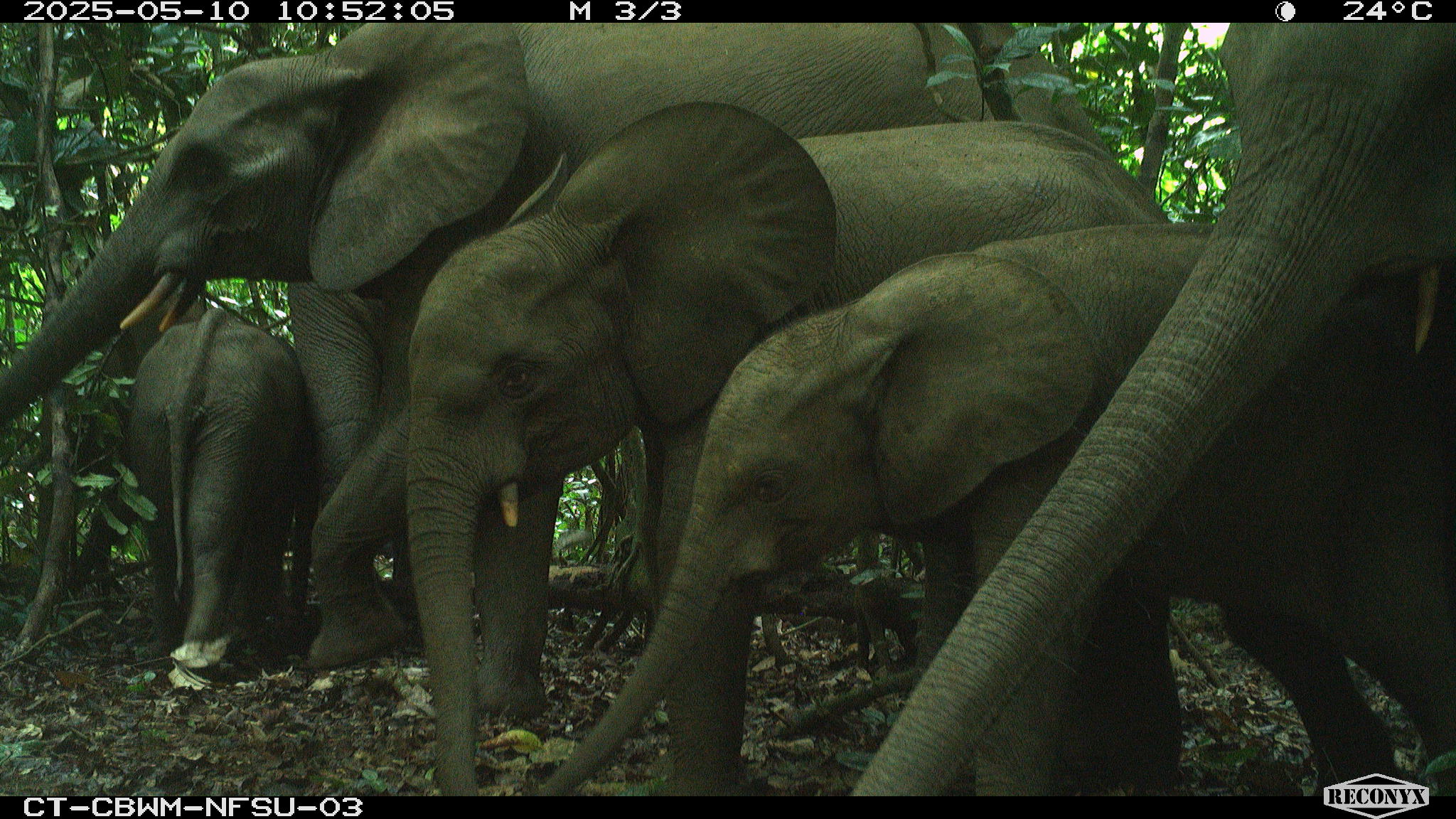
Covering 64,220 hectares, the sanctuary provides refuge for endangered primates, forest elephants, pangolins, forest duikers, reptiles, birds and rare plant species. Its hot and humid climate, long rainy season and diverse terrain create ideal conditions for a wide variety of wildlife and plant life.
The sanctuary is especially important because it forms part of a wider biodiversity-rich landscape where conservation, community livelihoods and traditional forest knowledge are deeply connected.
Habitat and Landscape
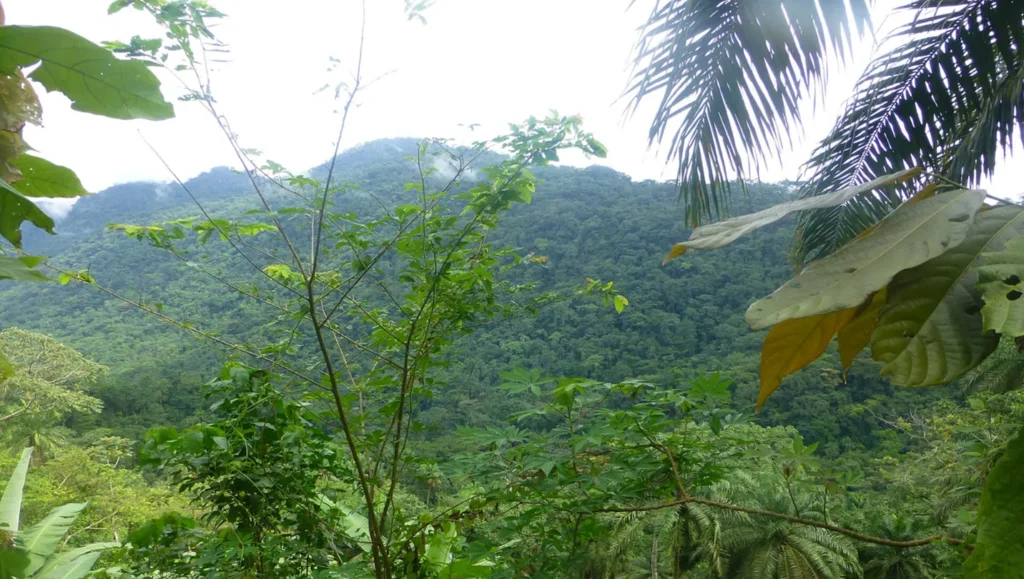
The landscape of Banyang-Mbo Wildlife Sanctuary is characterized by rugged and hilly terrain, especially in the southern section of the sanctuary. The area includes lowland tropical rainforest, submontane forest, riverine vegetation and forested hills.
The sanctuary’s elevation ranges from low riparian zones to higher hilly areas, creating a diversity of ecological niches. This variation in terrain supports different wildlife communities and contributes to the high number of plant, bird, reptile and mammal species recorded in the area.
The forest also plays an important ecological role by supporting water systems, maintaining soil stability, storing carbon and providing habitat connectivity for wildlife movement.
Mammals of the Sanctuary
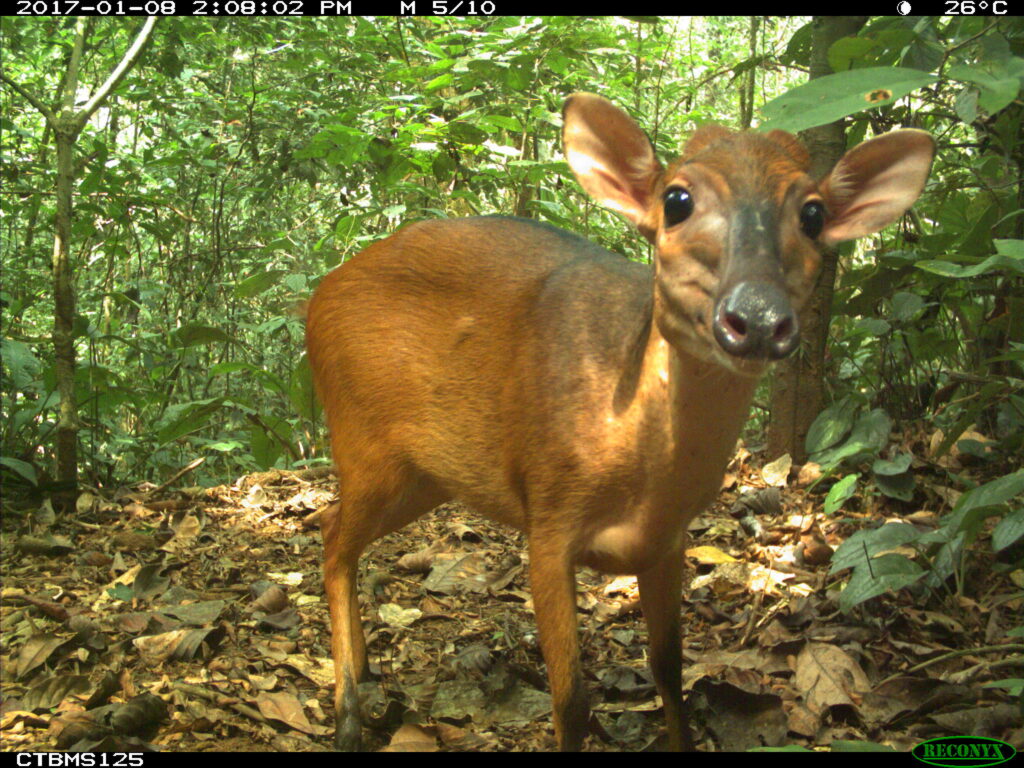
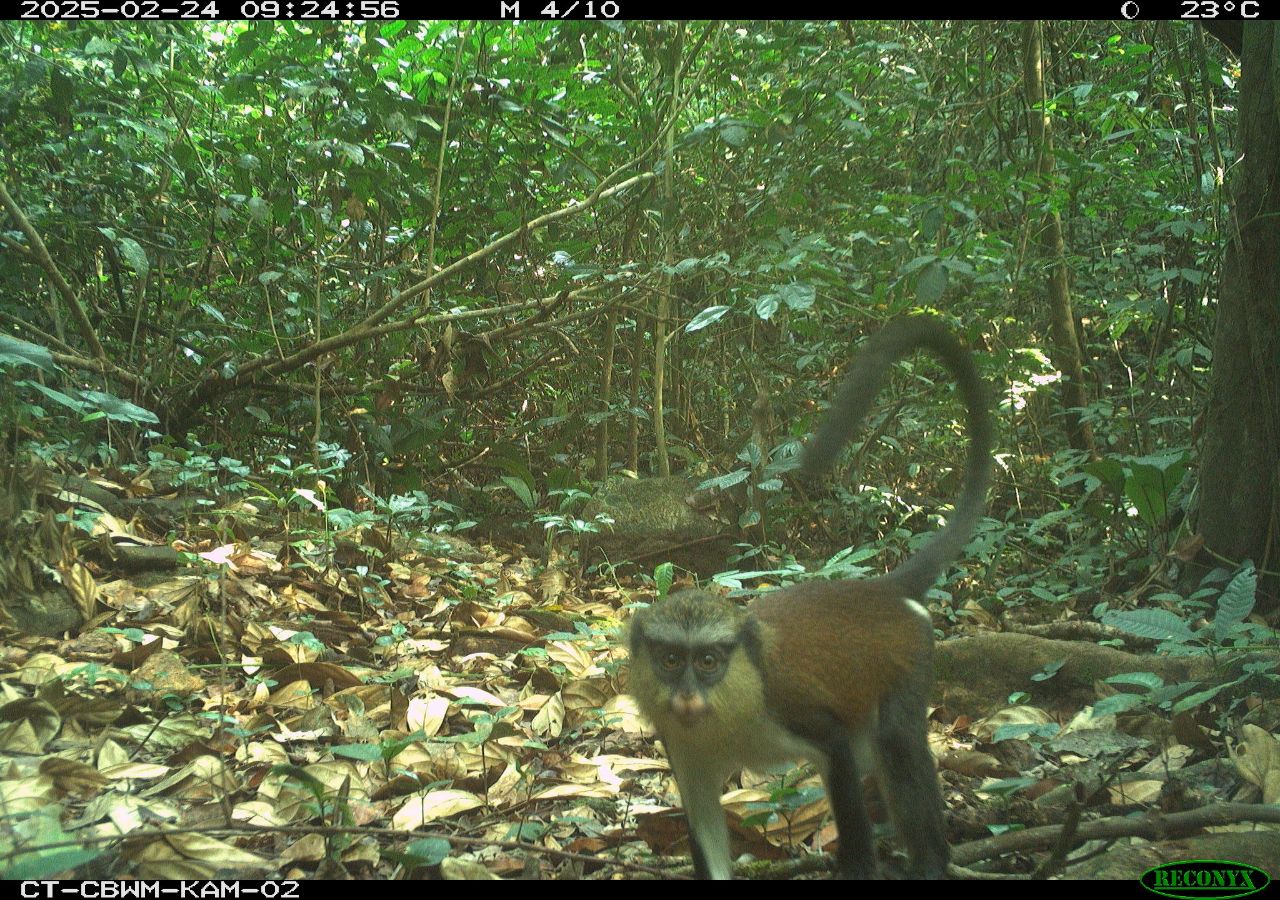
Banyang-Mbo Wildlife Sanctuary is an important refuge for several mammal species, including endangered and threatened wildlife. The sanctuary is particularly known for its primates, forest elephants, pangolins and forest duikers.
Important mammal species include:
- Nigeria-Cameroon chimpanzee
- Drill
- Forest elephant
- Forest buffalo
- Yellow-backed duiker
- Bay duiker
- Ogilby’s duiker
- Blue duiker
- Bush pig
- Water chevrotain
- Pangolins
These mammals are important not only for biodiversity conservation but also for maintaining the ecological balance of the forest. Large mammals such as forest elephants influence forest structure through seed dispersal and vegetation movement, while primates contribute to seed dispersal and forest regeneration.
Primates
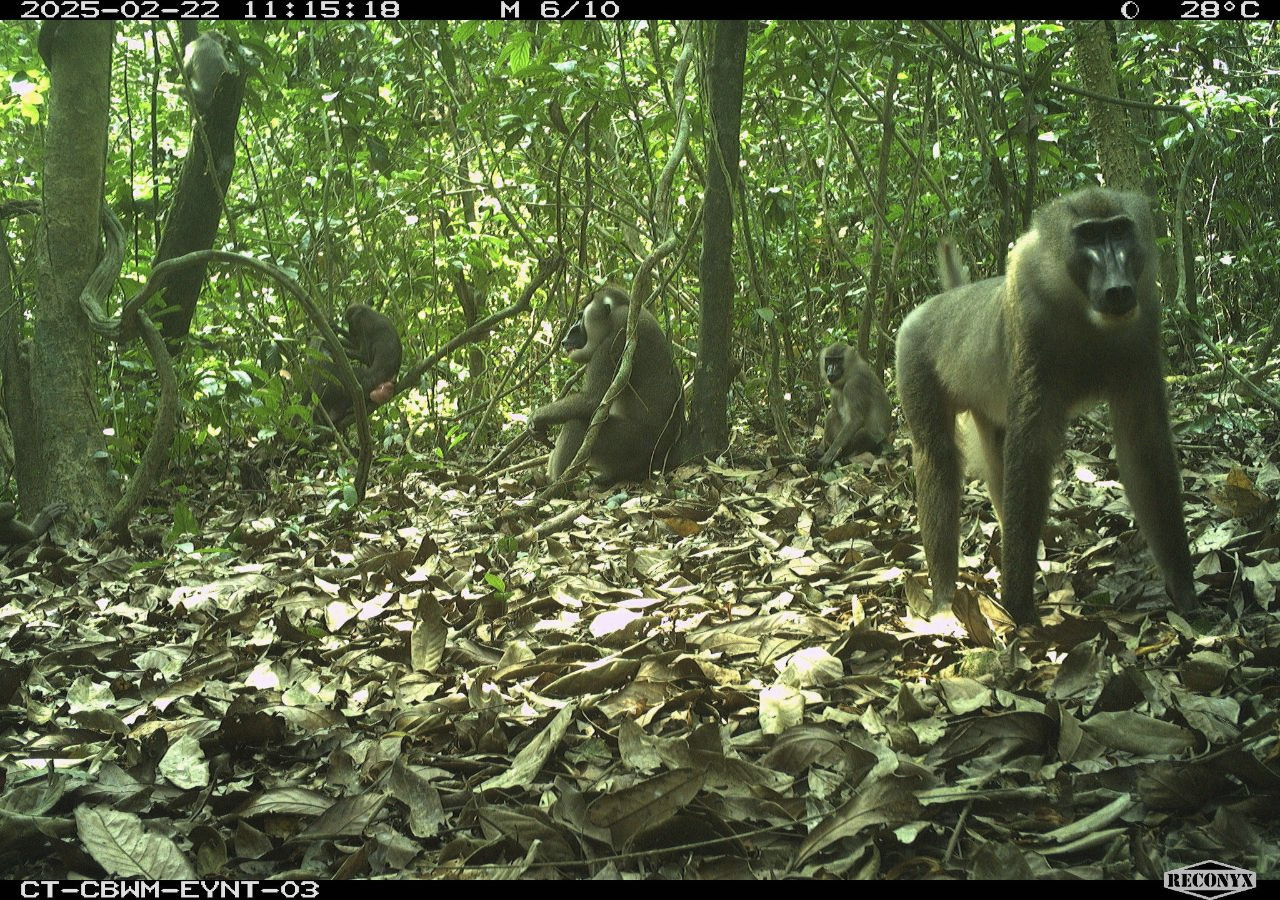
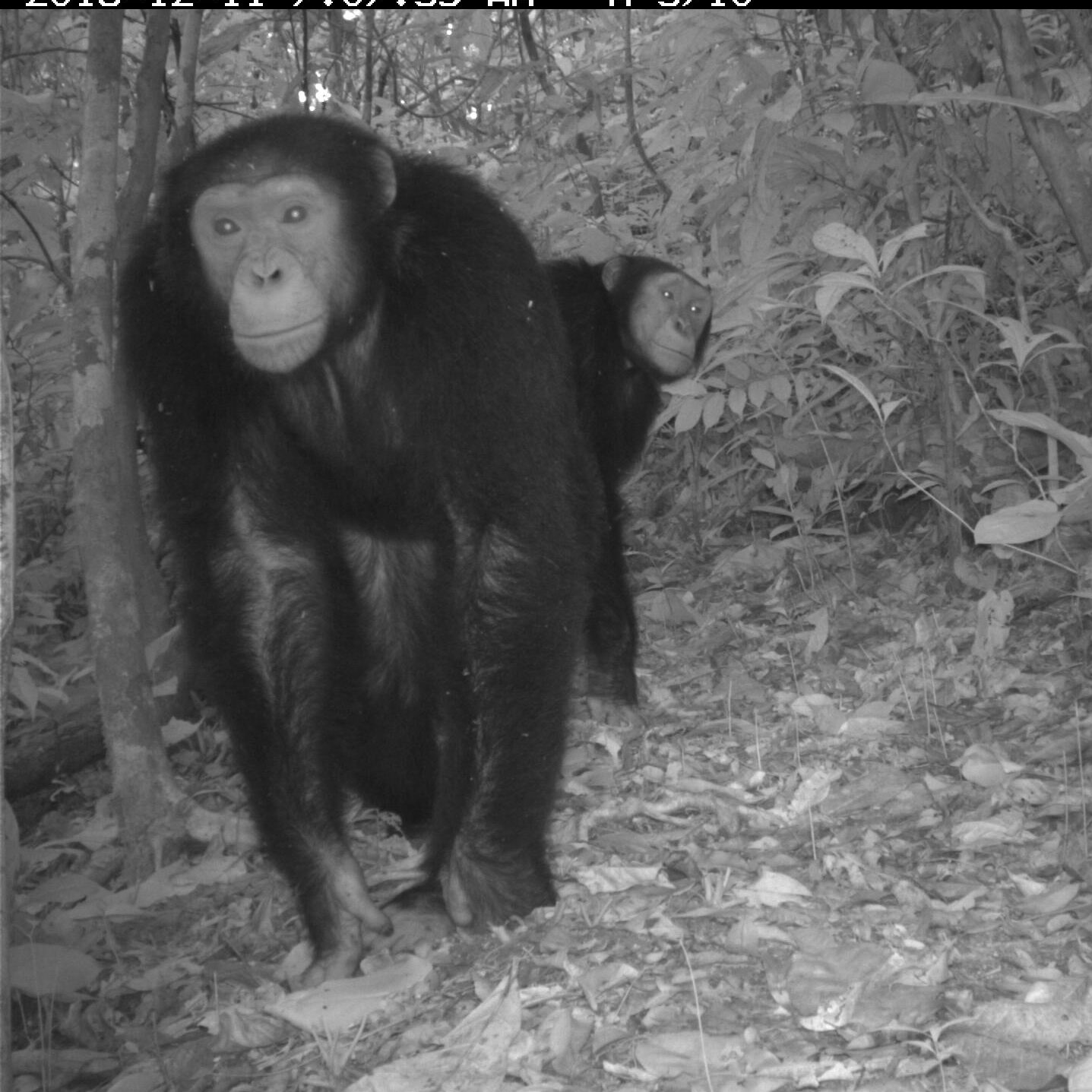
The sanctuary is a significant habitat for endangered primates, especially the Nigeria-Cameroon chimpanzee and the drill. These species are of high conservation concern because their populations are threatened by habitat loss, hunting and human disturbance.
The forest provides feeding, nesting and movement areas for primates. However, many primate populations in the sanctuary remain unhabituated, meaning they are not used to human presence. As a result, direct sightings may be difficult, but signs such as nests, calls, feeding remains and tracks are important for monitoring.
Primate conservation in Banyang-Mbo is a major priority because these species are indicators of forest health and are strongly linked to the identity and ecological importance of the sanctuary.
Forest Elephants
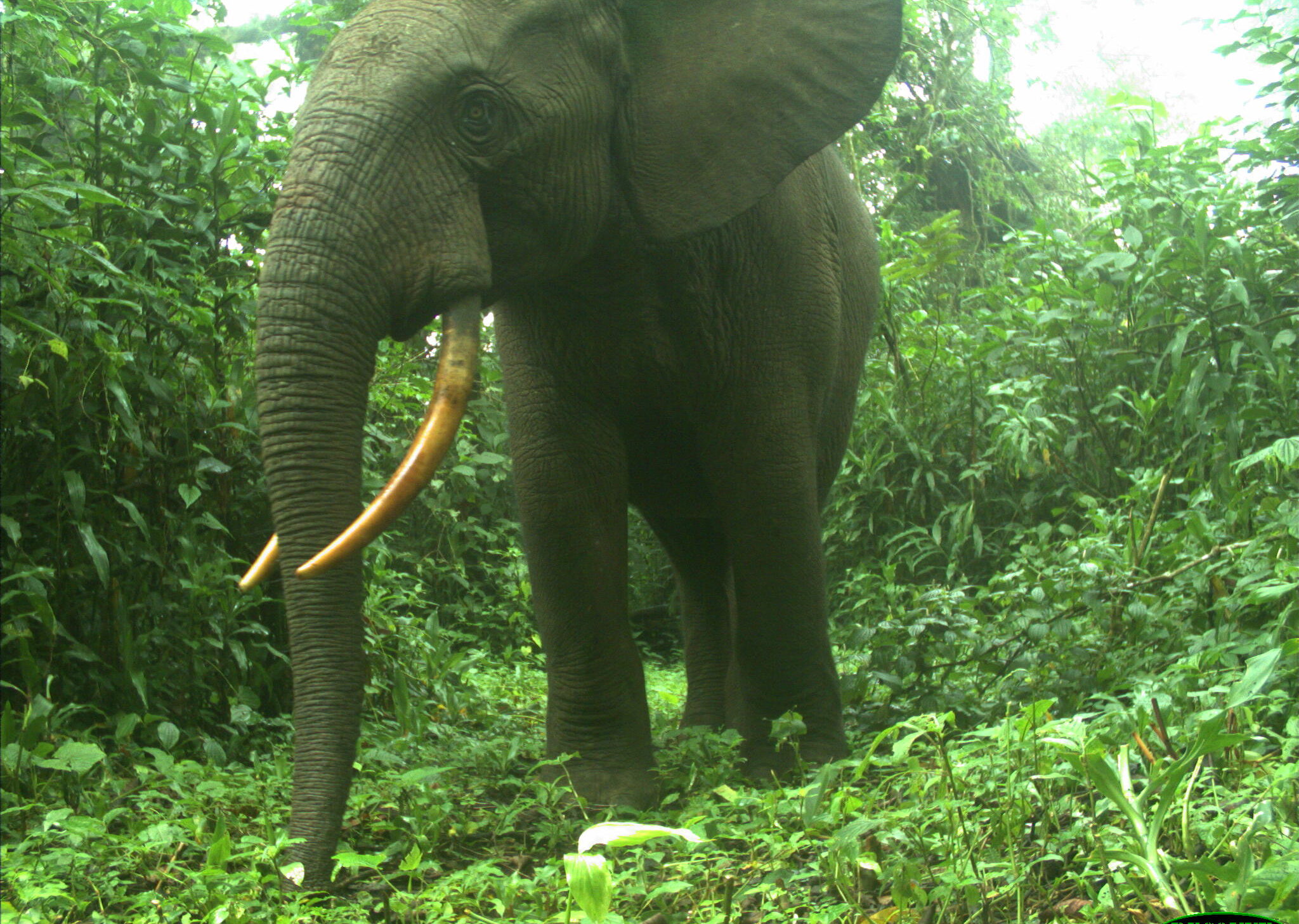
Banyang-Mbo Wildlife Sanctuary is also important for the conservation of forest elephants. These animals play a major ecological role in rainforest ecosystems. As they move through the forest, they disperse seeds, open pathways and influence the structure of vegetation.
Forest elephants are also among the species most affected by poaching, habitat disturbance and human-wildlife conflict. In some communities around the sanctuary, elephants are culturally significant and may be linked to traditional beliefs and taboos.
Protecting forest elephants remains one of the key conservation priorities of the sanctuary.
Pangolins
Banyang-Mbo Wildlife Sanctuary is recognized as an important area for pangolin conservation. Pangolins are among the most threatened mammals globally due to illegal hunting and wildlife trafficking.
Survey records from the sanctuary include:
- Long-tailed or black-bellied pangolin
- Tree or white-bellied pangolin
Pangolins are important insectivores that help regulate ant and termite populations. Their presence indicates the ecological value of the sanctuary’s forest habitats.
Because pangolins are highly threatened, awareness creation, anti-poaching patrols and community-based conservation are essential for their protection.
Forest Duikers and Other Ungulates
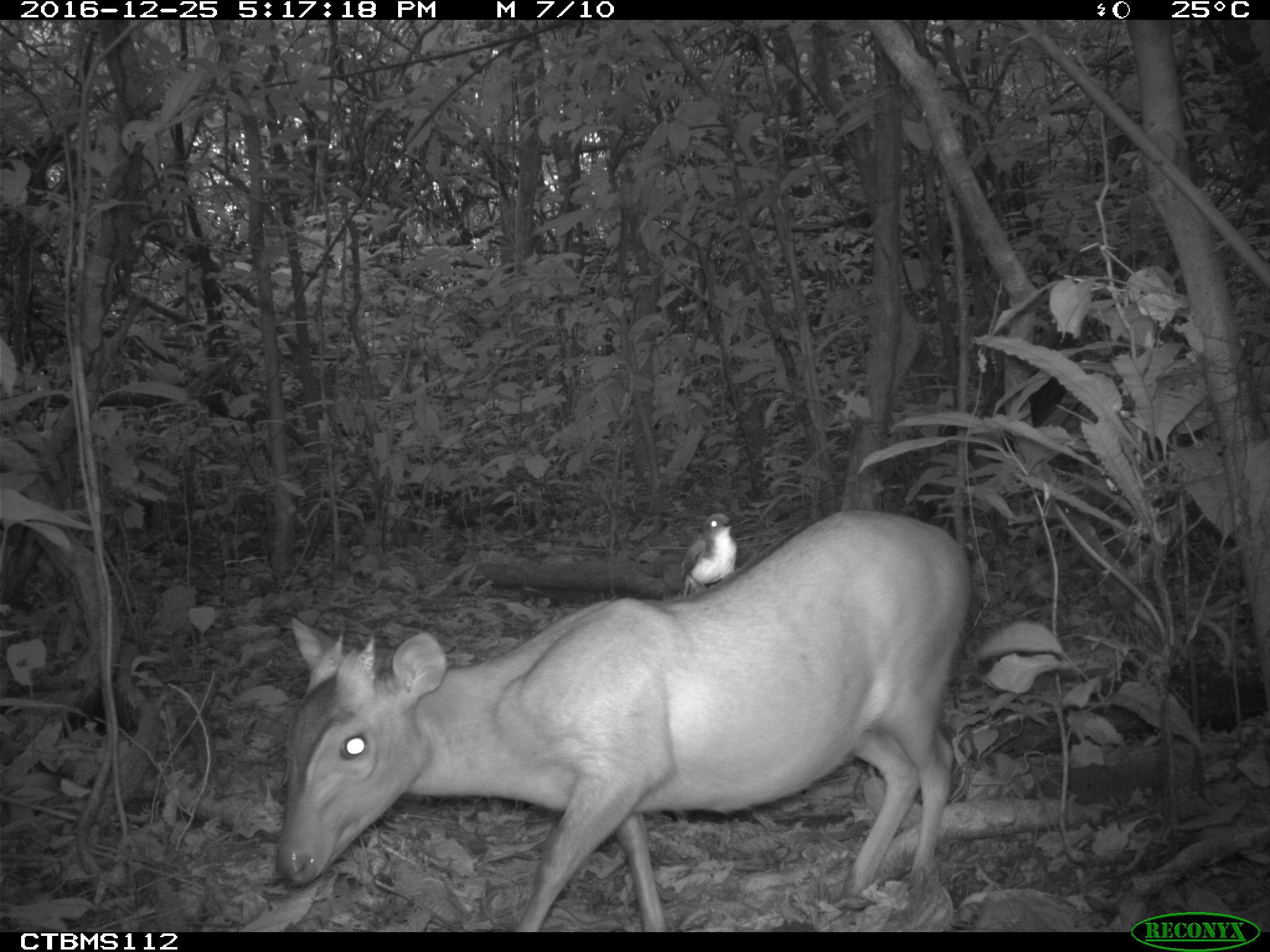
The sanctuary supports several forest antelope species. Four forest duiker species have been recorded:
- Yellow-backed duiker
- Bay duiker
- Ogilby’s duiker
- Blue duiker
Other ungulates recorded include forest buffalo, bush pig and water chevrotain.
These species are important components of the forest ecosystem. However, they are also vulnerable to hunting pressure because many are targeted for bushmeat. Their conservation depends on stronger wildlife law enforcement, community surveillance and alternative livelihood support.

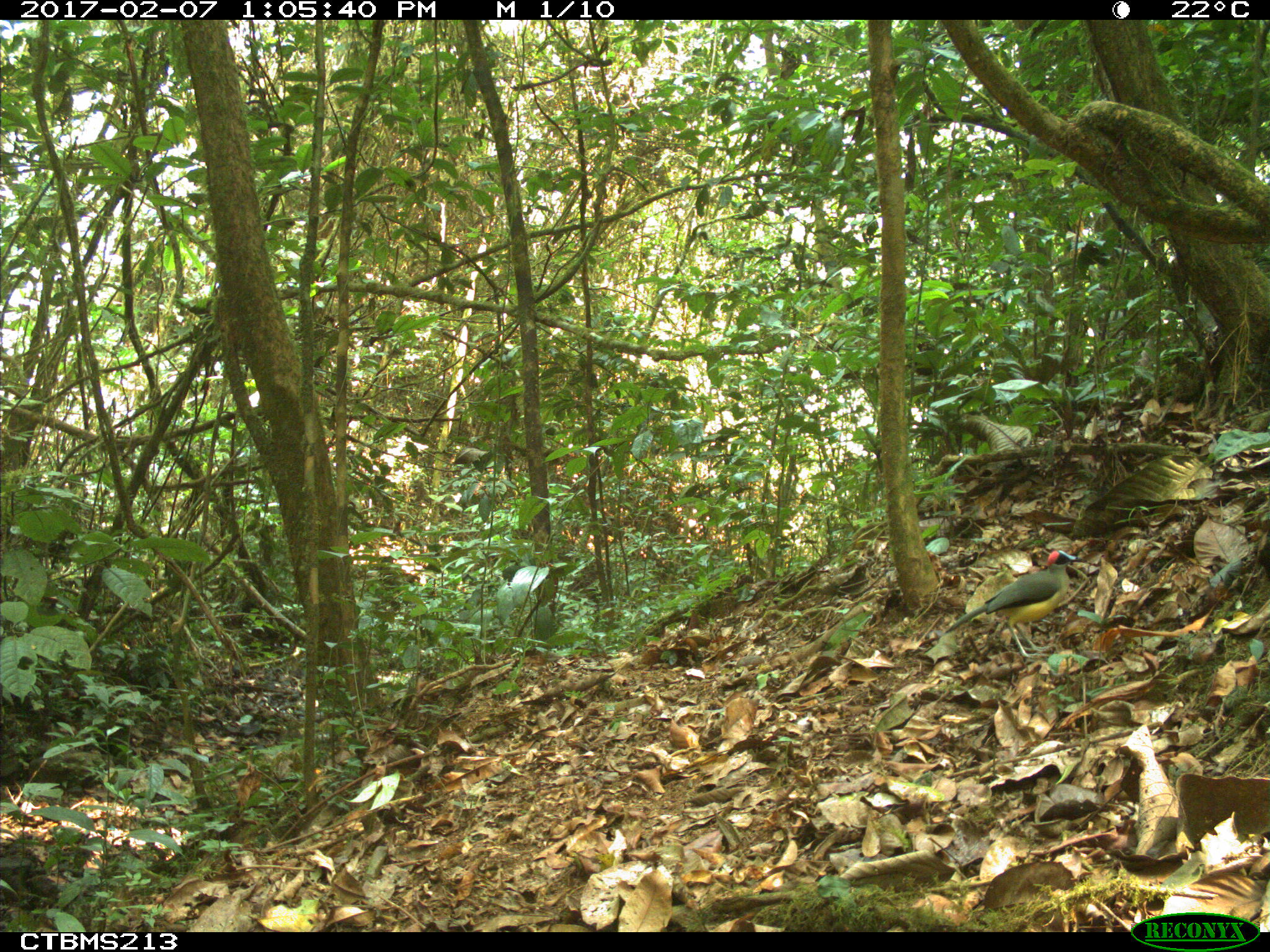
Birdlife
Banyang-Mbo Wildlife Sanctuary is home to over 322 bird species, making it an important site for bird conservation, birdwatching and ecological research.
One of the notable bird species associated with the sanctuary landscape is the endangered Mount Kupe Bush-shrike. The sanctuary’s diverse habitats, including lowland and submontane rainforest, provide feeding and breeding sites for many forest bird species.
The high bird diversity of Banyang-Mbo makes it a valuable destination for researchers, conservationists and nature enthusiasts interested in tropical ornithology.
Reptiles
The sanctuary also supports a rich reptile community. Records indicate the presence of 71 reptile species, including:
- 2 species of tortoises
- 23 species of lizards
- 46 species of snakes
Reptiles play important ecological roles as predators, prey species and indicators of habitat quality. Their presence reflects the diversity and complexity of the sanctuary’s rainforest ecosystem.
Plant Diversity
Banyang-Mbo Wildlife Sanctuary is a biodiversity-rich rainforest landscape with many rare, threatened and endemic plant species. Its lowland and submontane forests provide habitat for species that are important for ecology, local livelihoods and scientific research.
Notable plant species include:
- Tricalysia banyangmbo
- Warneckea ngutiensis
- Cola metallica
- Rothmannia ebamutensis
- Tricalysia lejolyana
- Calyptrochilum aurantiacum
- Suregada occidentalis
- Njabe trees
- Mahogany trees
- Anthonotha macrophylla
- Megaphrynium macrostachyum
- Anonidium mannii
The sanctuary is especially important because some plant species are narrow endemics or threatened, meaning they are found only in limited areas and face a high risk of extinction.
Threatened and Endemic Plants
Several threatened and endemic plant species have been recorded in the Banyang-Mbo landscape. These species increase the conservation value of the sanctuary and highlight its importance for botanical research.
Important threatened plants include:
- Tricalysia banyangmbo — critically endangered and endemic to the area
- Warneckea ngutiensis — critically endangered
- Cola metallica — critically endangered
- Rothmannia ebamutensis — endangered
- Tricalysia lejolyana — endangered
- Calyptrochilum aurantiacum — endangered orchid species
The presence of these plants demonstrates that Banyang-Mbo is not only important for wildlife but also for the conservation of rare and scientifically valuable flora.
Non-Timber Forest Products
The forest provides many non-timber forest products that support local livelihoods. These resources are used for food, medicine, income generation and cultural purposes.
Important non-timber forest products include:
- Njabe
- Njansang
- Eru
- Monkey kola
- Bitter kola
- African pepper
- Kolanuts
- Afrostyrax cameroonensis
These products are important to surrounding communities, especially women and forest-dependent households. Sustainable harvesting of non-timber forest products is therefore an important part of linking conservation with livelihoods.
Ecological Importance of the Sanctuary
Banyang-Mbo Wildlife Sanctuary plays several important ecological roles. It protects endangered wildlife, supports rare plants, maintains forest cover and contributes to water regulation and climate stability.
The sanctuary is important because it:
- Provides refuge for endangered primates
- Supports forest elephant populations
- Protects pangolins and forest duikers
- Hosts more than 322 bird species
- Conserves threatened and endemic plants
- Supports reptiles and amphibian habitats
- Provides forest resources for local communities
- Maintains ecological connectivity in the wider landscape
Its combination of wildlife, plant diversity, cultural value and community dependence makes it a priority landscape for conservation.
Conservation Challenges Affecting Wildlife and Habitat
Despite its protected status, Banyang-Mbo Wildlife Sanctuary faces several threats that affect wildlife and habitat quality.
Major threats include:
- Poaching and illegal hunting
- Wire snares and hunting camps
- Bushmeat trade
- Agricultural expansion
- Illegal logging
- Fuelwood collection
- Habitat loss and forest degradation
- Human-wildlife conflict
- Encroachment into sanctuary boundaries
These threats place pressure on large mammals, primates, pangolins, duikers and forest habitats. Conservation actions such as patrols, community surveillance, livelihood support and environmental education are essential for reducing these pressures.
Protecting Wildlife Through Community Action
The protection of wildlife and habitat in Banyang-Mbo depends strongly on community participation. Local people understand the forest landscape, wildlife movement areas, traditional resource zones and sites where illegal activities may occur.
Community-based surveillance, conservation education, alternative livelihoods and awareness campaigns help reduce pressure on wildlife while encouraging local ownership of conservation.
By working with communities, schools, local support organizations and conservation partners, the sanctuary service is building a more inclusive model of protected area management.